Are Your School Newsletters Working? 5 Metrics to Track Right Now

TLDR 📊
You pour time and effort into your school newsletters, but how do you know if they’re actually making an impact? Beyond the basic open rate, there are five key metrics that reveal whether your communication is truly connecting with families. Here’s what to track and why each metric matters for your school community.
Beyond the Open Rate
Every school communication professional knows about open rates. It’s the first metric we check, the number we report to administrators, and often… the only thing we measure.
But focusing solely on open rates is like checking only your speed while driving. Sure, you’re moving, but are you heading in the right direction? Are you reaching your destination efficiently?
Your school newsletter is working hard to inform families, build community, and drive engagement. These five metrics will show you if it’s succeeding.
The 5 Essential Metrics for School Newsletters 📈
1. Open Rate WITH Comparison Data: Your open rate alone tells you very little. A 40% open rate might be fantastic for your community, or it might signal room for improvement. What matters is understanding your trend over time and how different types of content perform. Track which subject lines get opened and notice patterns in timing.
2. Click-Through Rate (CTR): This metric reveals what families actually care about. When someone clicks a link in your newsletter, they’re voting with their attention. High CTR on event information? Your families are engaged. Low CTR on important policy updates? Time to rethink how you present that information.
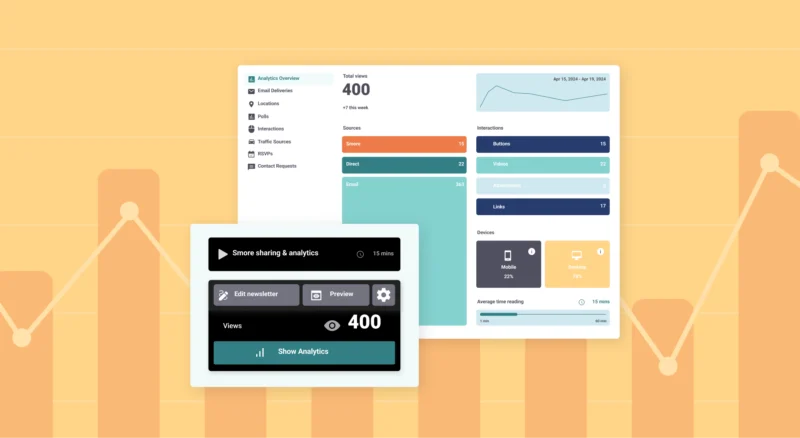
3. Engagement Duration (Read Time): An opened email that gets closed after two seconds is barely better than an unopened one. Engagement duration shows you whether families are actually consuming your content or just glancing and moving on. This metric helps you understand if your newsletter length and format match your community’s preferences.
4. Forward/Share Rate: When families forward your newsletter to grandparents, neighbors, or community members, you’re achieving organic reach expansion. This metric indicates content that resonates beyond your immediate audience and helps build broader community support.
5. Device and Platform Analytics: Understanding whether families read on mobile versus desktop, and which email clients they use, helps you optimize your design and formatting. If most readers are on phones, those beautiful three-column layouts might be hurting more than helping.
Making Metrics Actionable 🎯
Tracking these metrics is just the beginning. The real value comes from using this data to improve your communications:
Low open rates? Test different send times and days. Experiment with subject lines that create urgency or highlight specific benefits.
Poor click-through? Make your calls-to-action clearer. Put important links earlier in your newsletter. Use buttons instead of text links.
Short read times? Consider breaking long newsletters into shorter, more focused communications. Use formatting like bullets and headers to improve scannability.
Low forward rates? Include content worth sharing: student achievements, photo galleries, or community resources that families want to spread.
Mobile-heavy audience? Prioritize single-column layouts, larger fonts, and thumb-friendly button sizes.
Start Where You Are
The perfect analytics setup would track all five metrics consistently. But perfection is the enemy of progress. Start by adding just one new metric to your regular tracking. Master that, then add another.
Most email platforms provide these metrics already. You just need to know where to look and what questions to ask. Set aside 15 minutes after each newsletter to review your data. Look for patterns. Test one change at a time.
Your newsletters are too important to send into the void and hope for the best. These metrics illuminate the path from “I think it’s working” to “I know exactly what’s working and why.”
Ready to transform your school communications from guesswork to strategic outreach? Start tracking these five metrics today.
Frequently Asked Questions
What is a good open rate for school newsletters?

How do I track the performance of school communication?
Which metric should I prioritize?