Teacher-Tested Tips to Get Families to Read Your Newsletter
TL;DR
Getting families to read school newsletters is a common challenge, but real teachers have cracked the code. The key? Send at optimal times (Sunday evenings work best), keep it visual and scannable, personalize your content, and make responding easy with clear CTAs.
You spend hours crafting the perfect newsletter. You include important dates, celebrate student achievements, share classroom updates… and then crickets. 🦗 Sound familiar?
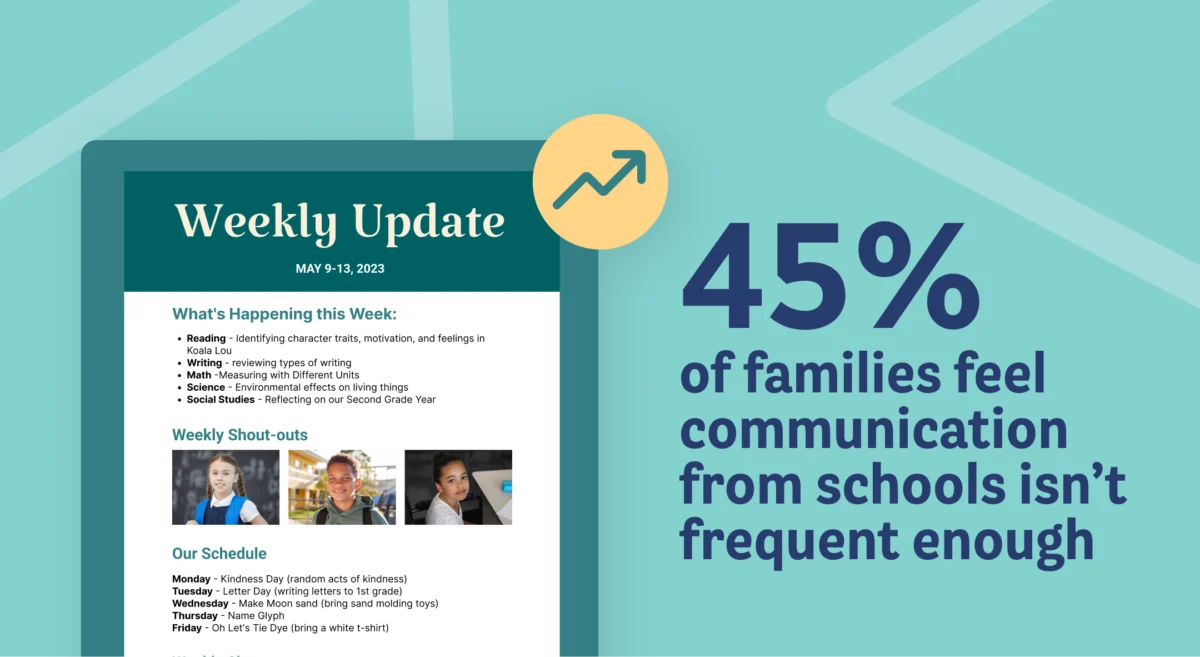
If you’re nodding along, you’re in good company. The majority of carefully crafted school communications go unread. But here’s the good news: teachers across the country have discovered proven strategies to boost engagement, with some reporting dramatic improvements in their open rates.
Let’s dive into family newsletter tips that work in real classrooms.
The Science of When: Timing Is Everything ⏰
What Teachers Say Works:
- Sunday evenings (6-8 PM): “I switched from Friday afternoons to Sunday nights and saw my open rates jump,” shares Rebecca Preston, a Kentucky principal.
- Tuesday mornings (7-9 AM): Best for urgent updates or weekly reminders
- Thursday evenings: Ideal for weekend event reminders
Why It Works: Families are more likely to engage when they’re relaxed and planning. Sunday evenings find parents preparing for the week ahead, making them receptive to school information.
Pro Tip: Use your newsletter platform’s scheduling feature to maintain consistency without working weekends.
Subject Lines That Get Clicks: A/B Testing in Action 📧
Real teachers have tested what works. Here are winning formulas:
The Winners: 🏆
- “[Teacher’s Name]’s Class: 3 Things to Know This Week”
- “Photos Inside: Our Field Trip Adventure!”
- “Quick Question: Can You Help With…”
- “You’re Invited: Special Event This Friday”
What to Avoid:
- Generic “Weekly Newsletter”
- Long, detailed subject lines over 50 characters
- All-caps or excessive punctuation
A/B Testing Tip: Try sending two versions to small groups first. “I test every subject line with a portion of my list before sending it to everyone,” says Mike Thompson, an Iowa elementary principal. “It takes 5 extra minutes but consistently improves my results.”
Visual Storytelling: Show and Tell 📸
Rebekah Engleright, an instructional coach, discovered a game-changer: “When I started including photos of actual student work and classroom activities, engagement doubled. Parents want to see their kids in action.”
What Works:
- Lead with visuals: Place your most engaging photo at the top
- Use authentic images: Real classroom moments resonate more than stock photos
- Include student work samples: Parents love seeing what their children create
- Add simple infographics: Transform important dates into visual calendars
Design Tips That Drive Engagement:
- Keep paragraphs to 2-3 sentences max
- Use bullet points liberally
- Bold important dates and deadlines
- Include white space for easy reading
The Personal Touch: Making Connections 💝
“Before Smore, I only reached parents when I made phone calls about specific students,” shares RaeAnn Thompson, a high school health teacher. “Now I hear from parents at open house that they read and appreciate my newsletters!”
Personalization Strategies:
- Segment your lists: Different content for different grade levels
- Include student spotlights: Rotate through featuring different students
- Share personal anecdotes: A brief story about a classroom moment builds connection
- Use conversational language: Write like you’re talking to a friend
Clear CTAs: Making Response Easy ✅
Christina Sabala, a teacher and admin designee, notes: “I started getting responses when I made it crystal clear what I needed from families.”
CTA Examples That Work:
High Response:
- “Click here to RSVP by Friday”
- “Reply with your child’s t-shirt size”
- “Tap to sign up for conferences”
Medium Response:
- “Complete this 2-minute survey”
- “Vote for our field trip destination”
- “Share your favorite family recipe”
What to Improve:
- Vague “Let us know your thoughts”
- Multiple CTAs in one newsletter
- Requests requiring extensive time/effort
Analytics: Your Secret Weapon 📊
“Before Smore, I had no clue if my newsletter was being opened,” says Patricia Kauffman, an occupational therapist. “Now I can see what strikes a chord with readers and where my newsletters are being shared.”
Key Metrics to Track:
- Open rates by day/time: Find your audience’s sweet spot
- Click-through rates: Which content resonates most?
- Device usage: Are families reading on phones?
- Geographic data: Helpful for planning in-person events
Success Benchmarks:
- Good: Growing engagement month over month
- Better: Consistent opens from your core audience
- Best: Active responses and shares from families
Real Success Stories 🌟
Bonnie Hall, Illinois Principal: “My newsletters transformed into ‘works of heart’ filled with pictures, videos, and engaging tools. Families now actively look forward to them.”
Michael Frazier, Oklahoma Assistant Principal: “I was struggling to communicate concisely with staff. Now I have a fun way to share ideas and information.”
Tracey Anderson, ELC Assistant: “Creation time dropped from days to hours, and I can see which providers are using my newsletter. Our reach has expanded significantly.”
The Consistency Factor 🔄
Perhaps the most important family newsletter tip? Be reliable.
“Families need to know when to expect communication,” emphasizes Elizabeth Power from Westside Community Schools. “When your newsletter becomes part of their routine, engagement naturally increases.”
Building a Sustainable Routine:
- Pick a schedule and stick to it (weekly or bi-weekly works best)
- Use templates to reduce creation time
- Batch content creation when possible
- Set up email reminders for yourself
- Prepare backup content for busy weeks
Your Next Steps 🚀
Ready to transform your newsletter engagement? Start with these three actions:
- Audit your current approach: Check your analytics (or start tracking them)
- Pick one strategy to test: Start small and build momentum
- Measure and adjust: Give changes 3-4 weeks before evaluating
Remember: Small improvements compound. Even modest increases in open rates mean more families staying connected with your classroom.
Ready to see these engagement improvements in your own newsletters? The teachers have spoken, and now it’s your turn to put these proven strategies into action! 🎉
FAQ
How often should I send newsletters?

What's the ideal newsletter length?
What if I'm short on time for weekly newsletters?
What about multilingual families?