The Internal Comms Checklist

TL;DR:
District staff communication breaks down for a specific, fixable reason: five departments send five different updates, in five different formats, with no shared system for consistency, ownership, structure, timing, or access. This checklist names five practical moves that close each gap, so every building is working from the same playbook before the first staff meeting of the year.
1. One format, every building
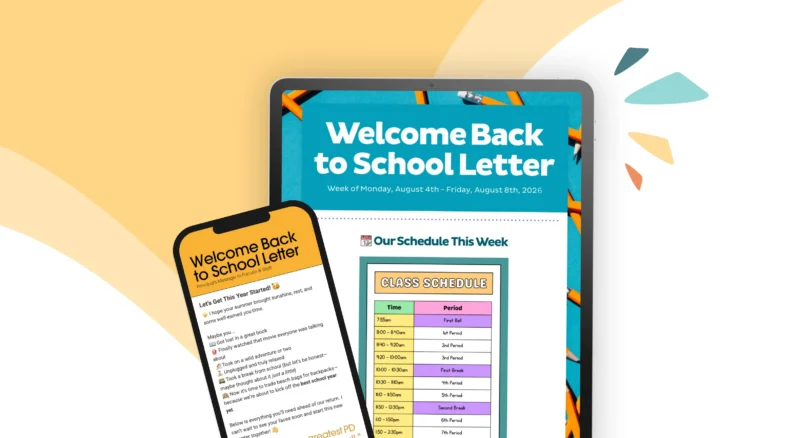
When five different administrators build five different weekly updates, staff read five different signals about how seriously the district takes communication. Setting a shared template and visual identity once, at the district level, means every building’s update reads like one district speaking. Staff notice the consistency before they read a single word of it.
2. Everyone knows who sends what
Alignment breaks down fast when three departments send the same reminder and a fourth forgets entirely. Naming who drafts, who approves, and who sends before the year starts makes roles clear, so no one is left guessing whether the front office or the athletics department owns this week’s field trip form update.
3. A table of contents for busy staff
A staff update that runs long doesn’t have to feel long. Adding a simple table of contents at the top lets a teacher jump straight to the PD sign-up or the payroll deadline instead of scrolling past three paragraphs that don’t apply to them. Respecting five extra minutes of a teacher’s day is its own form of alignment.
4. Data on what staff actually read
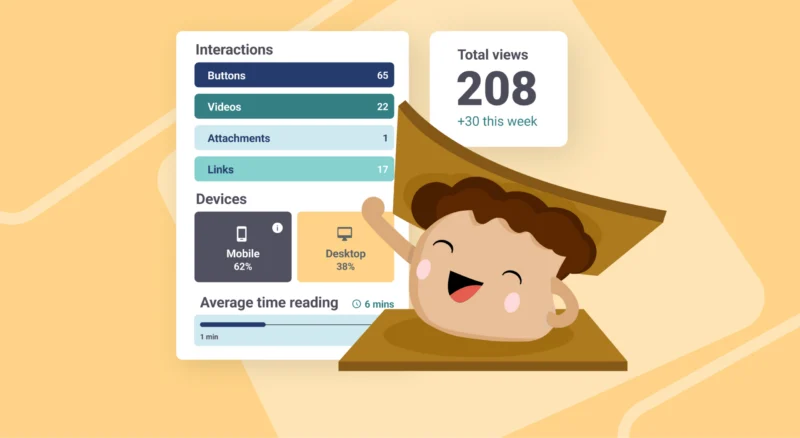
A message sent isn’t a message read. Tracking open rates, or simply asking staff directly, shows which updates actually reach their mark, so a principal knows within a day whether the new attendance policy registered or needs a follow-up at Monday’s meeting, not a guess three weeks later when nobody followed the new process.
5. A message every staff member can access
Alignment only works if every staff member can actually read what’s sent. A paraprofessional or bus driver who’s more comfortable reading in Spanish or Haitian Creole needs the update in a language they understand, not a separate document or a second email that quietly signals they’re an afterthought.
Staff alignment lives in these five small practices, repeated every single week, until nobody on staff has to ask which inbox holds the real update.
See what a consistent, easy-to-build staff update could look like for your district.
FAQ:
Should staff communication run through the same channels as family communication?

Who should own the staff newsletter, the principal's office or district communications?
How often should a staff update go out?
Can a district run building-level and district-level updates separately?