Five Ways To Get Your Newsletter READY For Back to School
TL; DR:
The biggest shift in school communication this year is a new goal: engaging families instead of notifying them. READY (Readable, Engaging, Accessible, Dynamic, Yours) breaks that shift into five concrete moves for your back-to-school newsletter, from a table of contents to timing your send around when families actually check their phones.
The shift from notify to engage
For years, the goal of a school newsletter was simple: get the information out. Dates, deadlines, reminders, done. That’s notifying, and most schools do it fine.
Engaging is different. It’s a newsletter a family opens because they know what’s inside, replies to because there’s somewhere to reply, and recognizes instantly because it always looks and sounds like your school. Five trends are driving that shift this year, and they spell something easy to remember: READY.
(R)eadable
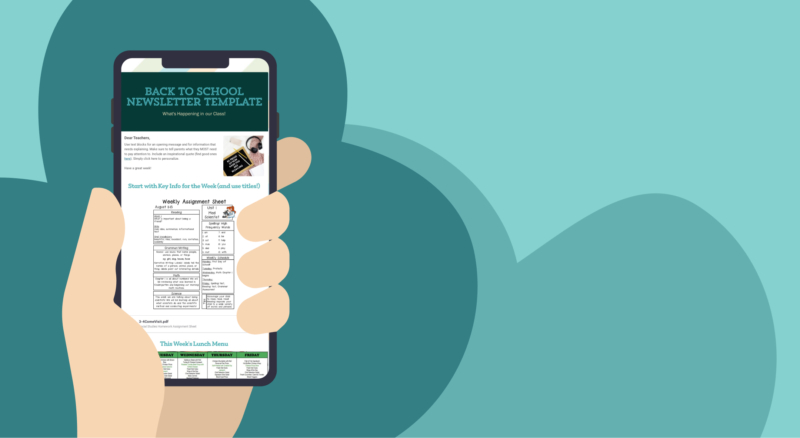
A long newsletter doesn’t have to feel long. Add a table of contents at the top, even a simple one, so families can jump straight to the bus route update or the picture day reminder instead of scrolling through everything to find it. A newsletter that respects a family’s time gets read all the way through more often than one that doesn’t.
(E)ngaging
A vague title gets skipped. “September Newsletter” tells a parent nothing. “What to Know Before Picture Day, Plus Meet Mrs. Alvarez” tells them exactly why to open it. Pair specific titles with photos and short videos from the classroom or the building, the same way a family member might share a picture from their day. Add a poll asking which volunteer slots families want, or a quick form for the question every front office answers twenty times in August. A newsletter built for replies turns a one-way update into a conversation.
(A)ccessible
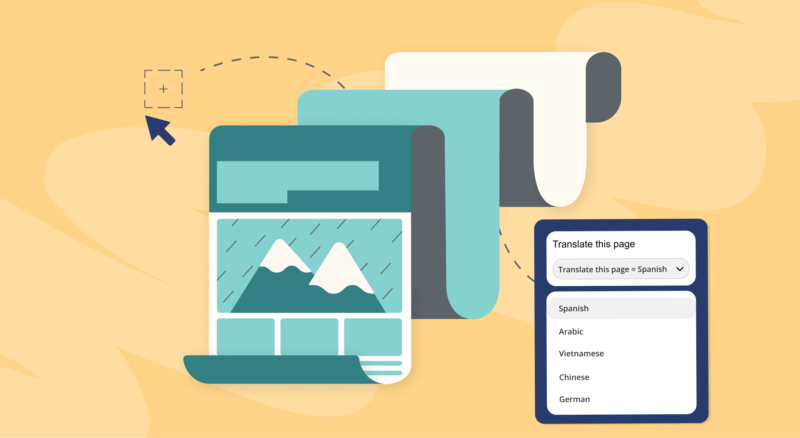
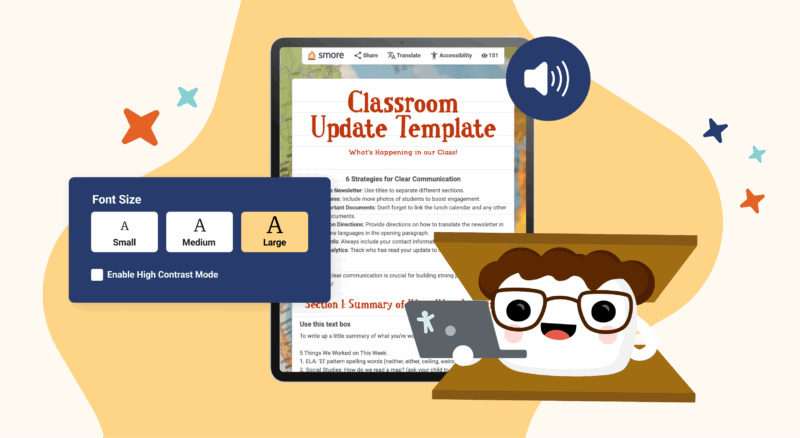
If a newsletter includes a screenshot of a flyer, a family using a screen reader or a translation tool can’t access what’s on it. Add a short text description of anything embedded as an image, so the words are part of the page, not locked inside a picture. And tell families up front how to read in their preferred language: with Smore, a reader sets their language once, and every newsletter after that translates automatically. One line at the top of your first send saves families from guessing.
(D)ynamic
Timing changes whether a message gets seen at all. SMS data from SchoolStatus Connect, which integrates directly with Smore, reveals that families are most responsive around 8am and between 2 and 4pm, the windows when they’re getting kids ready for school or thinking about pickup. That same outreach data showed a 73% reply rate when messages landed in those windows, with an average reply rate of 11 minutes. A newsletter sent at 4pm on a Friday is competing with the entire weekend. One sent Tuesday morning, or timed to land before pickup, stands out.
(Y)ours
Families build trust through repetition. Smore’s Brand Kits let administrators set your school’s colors, logo, and fonts once, so every newsletter looks like it came from the same place, even when five different staff members are building them. That consistency is what turns “another email from school” into “the update I look for.”
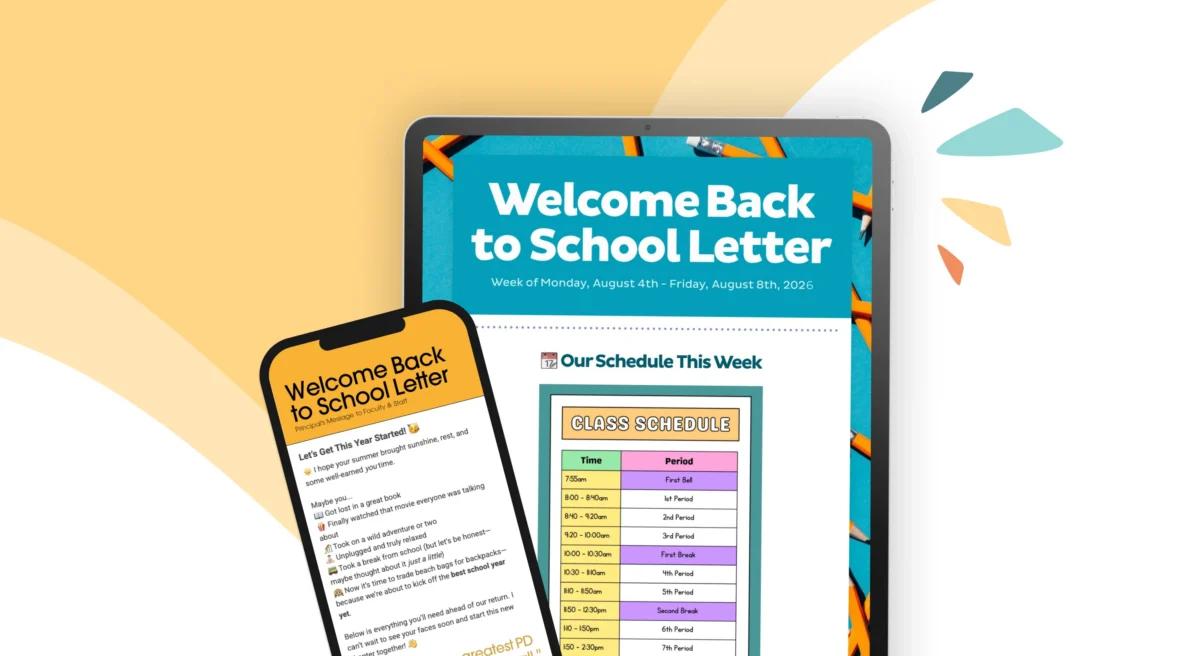
Build your first back-to-school newsletter with a free Smore template designed for all five.
FAQs
Do we need new tools for all five of these?

How do we know if our newsletter is actually engaging, not just informing?
What if our families speak a lot of different languages?
Is timing really worth the effort to test?