How District Leaders Can Use Data to Improve Communication Across Schools
TL; DR:
It’s not that districts don’t communicate with families, they do! But often, it’s not consistent across schools. When communication is left to individual discretion, some families get timely, relevant updates while others get nothing until something goes wrong. Leaders can use engagement data (open rates, click rates, translation usage) to identify where in the district communication is breaking down, build a consistent cadence across schools, and create feedback loops that improve outreach over time.
Here’s something district leaders hear constantly from principals: “We already communicate with families.” And they’re usually right. The problem isn’t whether communication is happening. The problem is whether it’s consistent.
Walk into three schools in the same district and you might find three completely different approaches to family outreach. One principal sends a weekly newsletter with attendance trends and upcoming events. Another sends a blast when something goes wrong. A third relies on classroom teachers to carry the message, which means families hear different things depending on which teacher their child has.
The result is a district where what families know about their child’s school experience depends on where their child goes to school.
The gap as rarely about effort
Most school leaders are working hard to keep families informed. The inconsistency comes from the absence of a system. When communication is left to individual discretion, you get individual results. Some families get timely, personalized information. Others get the newsletter when someone remembers to send it.
Data can close that gap. Not by replacing the human judgment that makes good communication feel personal, but by giving every school—and every family—a consistent floor.
Get practical steps districts can take to strengthen school communications systems >
What “using data” actually looks like
For district communications leaders, using data to drive consistency means a few concrete things.
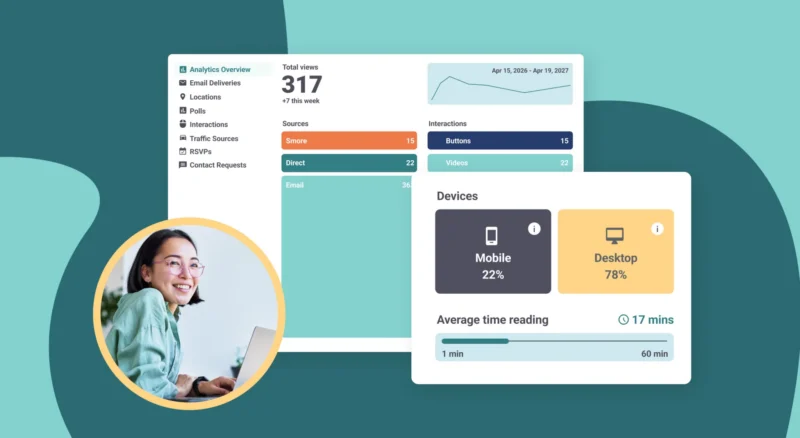
First, it means knowing whether your messages are actually reaching families. Engagement data—open rates, click rates, which schools have the highest bounce rates—tells you where your communication is working and where families are effectively being left out. If three schools in your district have open rates under 20%, that’s a signal worth investigating before you send another newsletter.
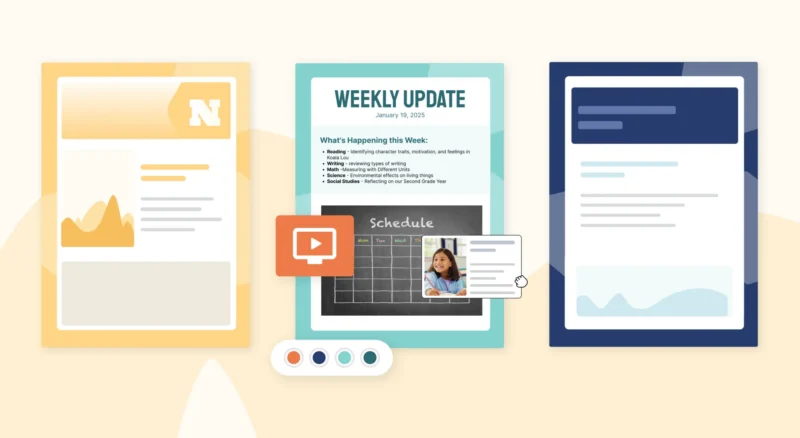
Second, it means building newsletters and outreach around what families actually need to know, not just what’s easy to report. Attendance rates. Literacy benchmarks. Upcoming events and deadlines. When this information gets packaged consistently across schools—same format, same cadence, translated into home languages—families will use it.
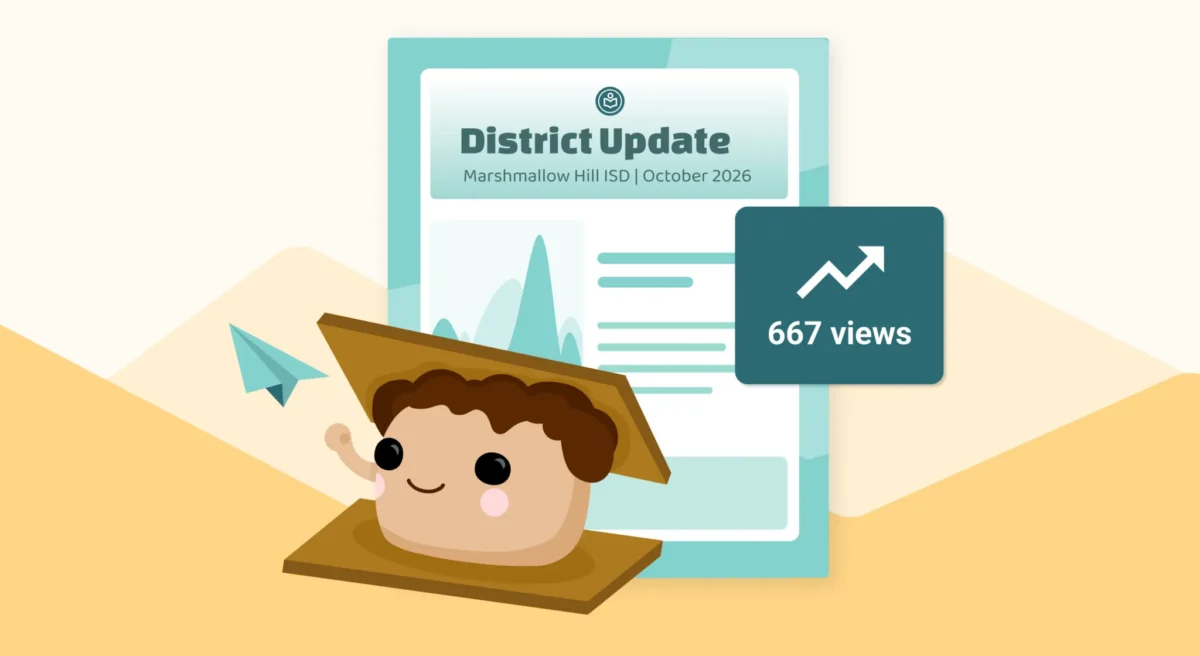
Third, it means creating feedback loops. When families engage with a message, you learn something. When they don’t, you learn something too. Districts that treat their newsletter data as a source of insight rather than a vanity metric tend to build more responsive communication strategies over time.
See how this school district improved their newsletter open rates >
Consistency is the point
What actually moves the needle for families is knowing they’ll hear from their school reliably, in a language they can read, with information that applies to their child.
District leaders who use their communication data to enforce that consistency—not as a top-down mandate, but as a shared standard—give every family in their district something worth a lot: the same shot at being informed.
In districts where families are already stretched, trust is built one reliable touchpoint at a time. The right tools make that touchpoint consistent, trackable, and replicable at every school in the system.
FAQs
Why does communication consistency matter for all families?

What data should district leaders actually be tracking?
How do I get principals on board with district communication standards?
What's the difference between a newsletter and a communication strategy?
What role does translation play in consistent family communication?