District Leaders: Keep Communication Clear During Testing, Events, and Enrollment Season

TL; DR:
Testing windows, school events, and enrollment deadlines often collide on the district calendar. When communication becomes overwhelming, families miss important updates. A clear communication strategy helps district leaders organize messages, reduce confusion, and keep families engaged throughout the busiest times of the school year.
There are moments in the school year when everything seems to happen at once.
State testing begins. Spring events fill the calendar. Enrollment reminders start going home. Families receive updates from teachers, principals, and district offices all at the same time.
For district leaders and communications teams, this overlap can create a challenge. When messages pile up, even important updates can get lost.
Clear, organized communication helps families stay informed and helps students stay on track.
Start with a single source of truth
Families should always know where to find reliable school information.
When testing schedules live in one email, enrollment forms in another system, and event details in a flyer, it becomes harder for families to keep up. Centralizing updates into a single, consistent format helps reduce confusion.
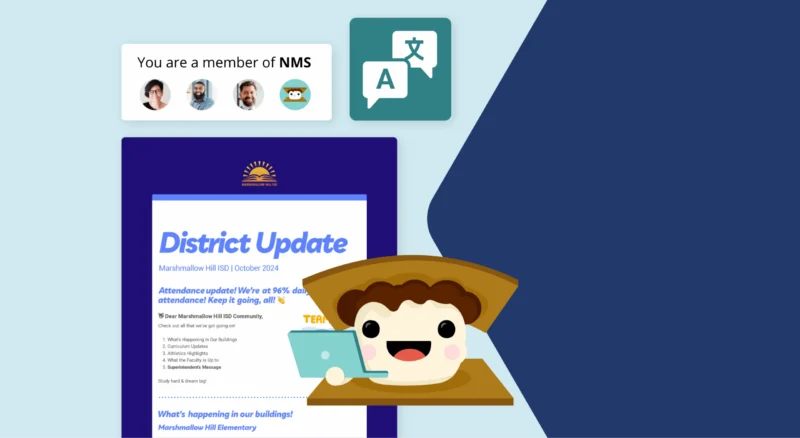
Many districts use digital newsletters as a hub for updates about testing, events, and enrollment deadlines. This approach allows families to scan one message and quickly find what matters most.
Consistent communication also builds trust between schools and families. When caregivers know where information lives, they are more likely to stay engaged with their student’s school experience.
Create predictable communication rhythms
Busy families often skim messages on their phones. Structure makes communication easier to absorb.
District leaders can simplify communication by organizing updates into familiar sections, such as:
- Testing updates and preparation tips
- Upcoming school events
- Enrollment reminders and deadlines
When updates follow the same structure each week or month, families learn where to find the information they need.
Predictable communication rhythms also reduce the number of questions schools receive, saving valuable time for educators and staff.
Make communication accessible for every family
District communities include families with different schedules, languages, and technology preferences.
Strong school communication meets families where they are.
Sharing messages across multiple channels—email, newsletters, social media, and district websites—helps ensure families receive important updates in ways that work best for them. Translation features and mobile-friendly formats also make communication more accessible to multilingual families.
When communication is clear, consistent, and inclusive, families feel more connected to their schools.
Use insights to improve your communication strategy
District leaders often ask a simple question: Are families actually reading our updates?
Communication analytics can help answer that.
Engagement data such as open rates, reading time, and link clicks show which updates resonate most with families. These insights help district leaders refine messaging and focus on the information families value most.
Using data to guide school communication strategies helps districts spend less time guessing and more time connecting with families.
Communication clarity supports student success
Clear communication does more than reduce confusion.
When families receive consistent, easy-to-read updates about testing schedules, events, and enrollment steps, they can better support their students.
Strong school-family communication builds trust, strengthens engagement, and helps students stay connected to their learning community.
Even during the busiest times of the year, simple, structured communication can make a big difference.
FAQs
Why is communication especially important during testing and enrollment seasons?

What communication channels work best for school districts?
How often should districts communicate with families?
How can districts reach multilingual families?
How can districts measure the success of their communication strategy?