How to Build a Cohesive District Communications Brand (With Newsletter Examples!)
TL; DR:
Families interact with many voices across a school district—teachers, principals, and district offices. Communication becomes hard to follow if messaging looks and feels different across schools. A cohesive district communications brand creates clarity, builds trust, and helps families quickly recognize important updates. Consistent newsletter templates and messaging guidelines make it easier for districts to build that brand and stay aligned across schools.
Families experience your district through communication.
They read newsletters from teachers. They see updates from principals. They receive district announcements about testing schedules, events, and enrollment.
When these messages feel disconnected, families may struggle to find the information they need.
A cohesive district communications brand helps every message feel like part of the same conversation.
For district leaders and communications teams, this alignment builds trust with families and makes school updates easier to navigate.
Why a district communications brand matters
A strong district communications brand goes beyond logos and colors.
It creates a consistent experience for families across every school.
When district updates follow a shared format and tone, families can quickly recognize where information comes from and how to use it.
Consistent communication also strengthens school-family relationships. When families feel informed and included, they are more likely to engage with their student’s school experience.
A clear district communication strategy also helps staff save time. Instead of creating messages from scratch, educators can follow established templates and guidelines.
Use newsletter templates to keep communication consistent
Newsletter templates are one of the easiest ways to build a cohesive district brand.
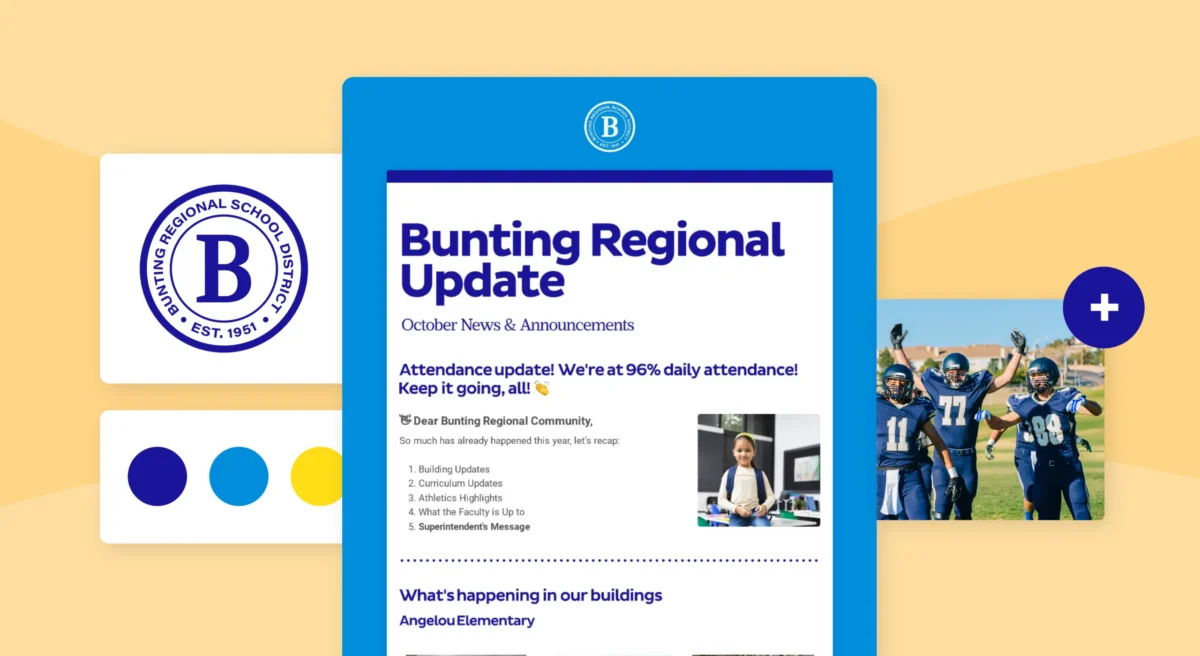
Districts that use shared templates provide family updates that look familiar regardless of which school sends them.
For example, a district newsletter template might include:
- A message from district leadership
- School highlights and celebrations
- Upcoming events and reminders
- Resources for families
Teachers and principals can customize the content while maintaining a consistent structure and visual identity.
Templates also make communication faster for educators, allowing them to create engaging newsletters without starting from scratch.
Align newsletters across classroom, school, and district levels
One of the easiest ways to build a cohesive district communications brand is to align newsletters across every level of communication.
Families often receive updates from multiple sources: the district office, the school building, and their child’s classroom. Messages following a similar structure and visual style are ones families can navigate much more easily.
Here’s what that alignment can look like.
Classroom newsletter
The classroom newsletter focuses on student learning and day-to-day updates.
Typical sections might include:
- Weekly learning highlights
- Homework reminders
- Upcoming classroom activities
- Quick celebration or student spotlight
These newsletters help families stay connected to what their students are learning each week.
See a classroom template example →
Building (school) newsletter
The building newsletter provides updates that affect the entire school community.
Common sections include:
- Principal message
- School events and calendar updates
- Student achievements and celebrations
- Important reminders for families
This level of communication helps families stay informed about what’s happening across the school.
See a building template example →
District newsletter
The district newsletter focuses on the bigger picture across all schools.
District updates might include:
- Superintendent message
- Districtwide initiatives and programs
- Enrollment updates and policy reminders
- Major events, celebrations, or announcements
These messages help families understand district priorities and stay informed about systemwide updates.
See a district template example →
Why alignment matters
When classroom, building, and district newsletters share a similar design and structure, communication becomes easier for everyone.
Families quickly recognize where to find important information. Staff spend less time formatting communications. And districts create a consistent brand experience across every school.
Templates make this alignment simple to implement while still giving each school and classroom space to tell their own story.
💡 Quick win: Provide three aligned templates—classroom, school, and district—so every level of communication follows the same visual and structural framework.
Track engagement to strengthen your communication strategy
A cohesive district communications brand is easier to maintain when leaders can see how messages perform.
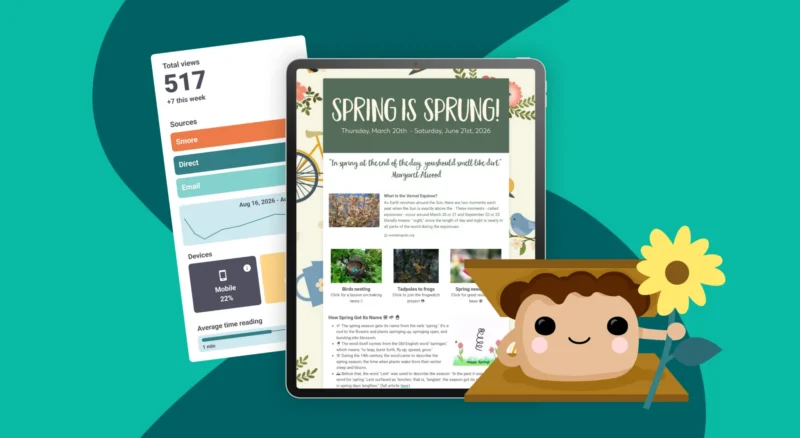
Communication analytics provide valuable insights into how families engage with district updates.
Leaders can see which newsletters receive the most views, which links families click, and how long readers stay engaged with messages.
These insights help districts refine their communication strategies and focus on the messages that matter most to their community.
Strong communication builds stronger school communities
Families notice when districts communicate with clarity and consistency.
A cohesive district communications brand helps caregivers stay informed, strengthens trust between schools and families, and ensures important updates reach the people who need them most.
With shared templates, aligned messaging, and engagement insights, district leaders can create communication systems that support both staff and families.
FAQs
What is a district communications brand?

Why is consistency important in school communication?
How can districts create consistent newsletters?
How do newsletters support family engagement?
How can districts measure communication effectiveness?