Your Comms Starter Kit

TL;DR:
A school communication plan sets goals for how schools and districts keep people informed, listens to its community, and shares its work. Start by reviewing current communication. Then identify audience needs, define each channel’s purpose, assign responsibilities, and choose measures of progress. Use those decisions to guide the work across schools and departments.
Your school or district has priorities for the year. Its communication plan should help people understand those priorities, see the work underway, and have a say in decisions that affect them.
Suppose a district is introducing a new strategic plan. Staff need to understand how it relates to their work. Families want to know what it means for their children. Community members may want to see how the district will report progress. The communications team needs a year-round approach to serving those audiences.
At the school level, a principal introducing a new attendance routine needs to explain it to staff, help families understand what to expect, and give them a way to ask questions. A school communication plan can guide that work throughout the year.
Building that approach takes a few shared decisions. Here’s where to start.
1. Take stock of your current communication
Review what schools and departments already communicate, where they share it, and how people respond. Gather newsletters, website pages, social posts, staff updates, and opportunities for community input. Ask colleagues what works well and what takes the most time. You can easily use the poll feature within a Smore newsletter to solicit this feedback.
Look at the mix. You may find that newsletters give families useful school news, while district decisions get less regular coverage. Or that community meetings offer thoughtful discussion, but people who cannot attend have few ways to contribute.
Include audience feedback in this review. Ask staff, students, families, and community members where they get district information, whether it answers their questions, and how they prefer to share their views. Use existing surveys and conversations where you can.
2. Set goals that support school or district priorities
Choose a few communication goals with your school or district leadership. Each should describe what communication will help you accomplish over the year. If you’re planning for one school, coordinate those goals with the district’s communication plan.
If the district is expanding career pathways, a goal might be to help students and families understand the options and how to explore them. If the district is developing a new strategic plan, a goal might be to bring a wider range of community perspectives into the process.
Agree on what progress would look like. For career pathways, you could ask students and families whether they understand the choices and know where to get advice. For strategic planning, you could review whose perspectives you heard and which groups need additional opportunities to contribute.
3. Identify what each audience needs
Describe the people your plan serves and what they need from the district. Include staff, students, families, and the wider community. Depending on your goals, you may also include prospective families, local employers, or community partners.
For a career-pathways initiative, students need a clear picture of available programs. Families need information about schedules, requirements, and support. Local employers need to know how they can participate. Those needs should shape your approach throughout the year.
Consider access as part of the plan. Confirm language preferences, how people use your current channels, and what helps them participate. A family survey, student discussion group, and conversation with community partners can each tell you something different.
4. Give each channel a clear purpose
Decide what role each channel will play. Your website can be the place for current program details, district policies, and decision records. Newsletters can explain developments over time and share school news. Social media can highlight student learning and invite people to explore more.
Include ways to listen. Community meetings, surveys, advisory groups, and a clear contact route give people opportunities to ask questions and contribute. Decide who reviews that input and how the district will share what it learned.
Set expectations for frequency and access. Your plan might call for a monthly district newsletter, regular staff briefings, and community conversations at key points in the year. Check that the schedule fits your team’s capacity and your audiences’ needs.
Keep emergency communication connected to the district’s established procedures. Identify where those procedures live and who maintains them.
5. Agree on responsibilities and shared routines
Set out how the communications team, district leaders, schools, and departments will work together. Identify who manages each channel, who supplies information, what needs review, and who responds to questions. At the school level, a principal may coordinate communication with front office staff and colleagues who contribute school news. Agree on which messages need district review. In a team of one, several responsibilities may sit with the same person.
Create a shared calendar around district priorities and major milestones. For a new literacy initiative, it could include an introduction from district leadership, school stories showing the work in classrooms, and a progress update later in the year.
Agree on contribution and review routines with the colleagues involved. Allow time alongside their other responsibilities. Provide a simple way to submit news, a contact list, and shared school newsletter templates that leave room for each school’s voice.
6. Decide how you’ll review progress
Choose measures that relate to your goals, and set a time to review them. If your goal is to help families understand district decisions, ask whether they can find an explanation and know how to raise a question. If your goal is broader community input, look at participation across the groups you hoped to hear from.
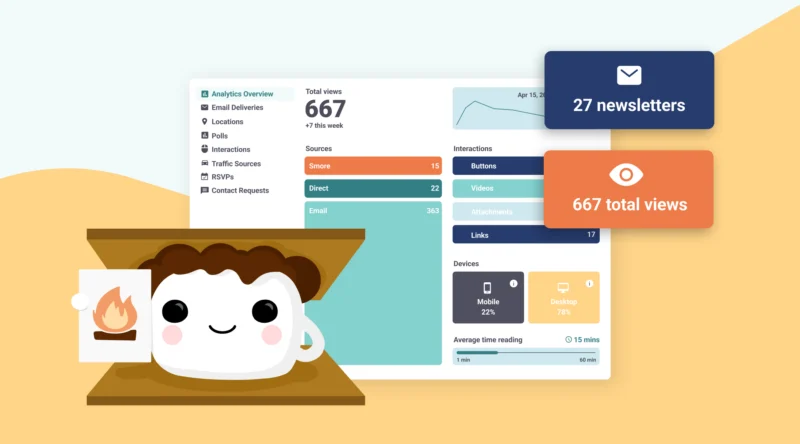
Use channel data to help refine delivery. Newsletter opens and link clicks can show which information readers explore. Compare that with audience feedback and what staff hear in conversations.
Review the workload, too. Ask contributors whether deadlines are manageable and responsibilities are clear. Use what you learn to adjust the plan for the next term.
A starter school district communication plan
Here’s an example for a district whose priorities include a new strategic plan and stronger community participation. Adapt it with your team. For a school plan, focus on a school priority, such as the new attendance routine described above. Use the same categories to decide what families need to know, who will prepare updates and answer questions, and how you’ll check whether the information is clear.
- Goals: Help the community understand the district’s strategic priorities, give families and students regular opportunities to contribute, and show how those priorities take shape in schools.
- Audiences: Staff, students, current families, and community members, with specific opportunities for local partners to participate.
- Audience needs: Staff need context for their work; students and families need clear explanations and ways to share their experiences; community members need information about district decisions and progress.
- Channel roles: Keep the strategic plan and progress reports on the website. Use newsletters to explain developments and share school examples. Use social media to highlight learning and point to fuller information. Gather input through meetings, surveys, and student and family groups.
- Responsibilities: Communications coordinates the plan and manages district channels. Leadership explains priorities and reports progress. Schools and departments contribute examples and confirm details. Designated staff review community input and coordinate responses.
- Schedule and resources: Plan communication around district milestones, with a monthly newsletter and opportunities for input each term. Maintain a shared calendar, contribution process, contact list, and reusable templates.
- Review: Each term, assess whether audiences understand the priorities, whose perspectives are represented in community input, and whether the work is manageable for staff. Use channel engagement to guide changes in delivery.
Put the plan to work with Smore for Teams
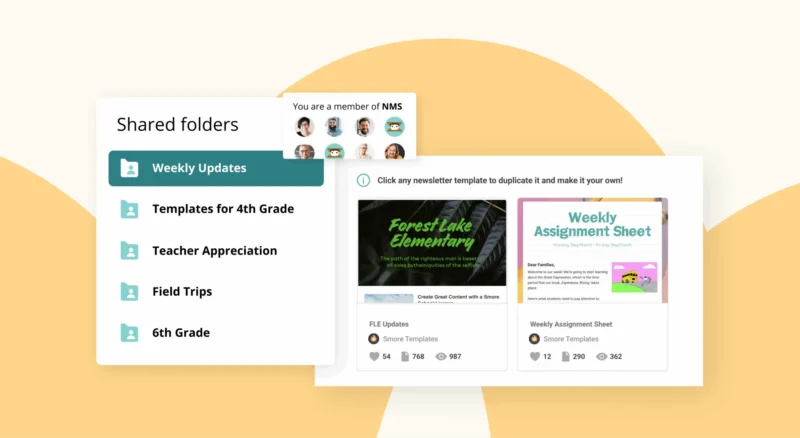
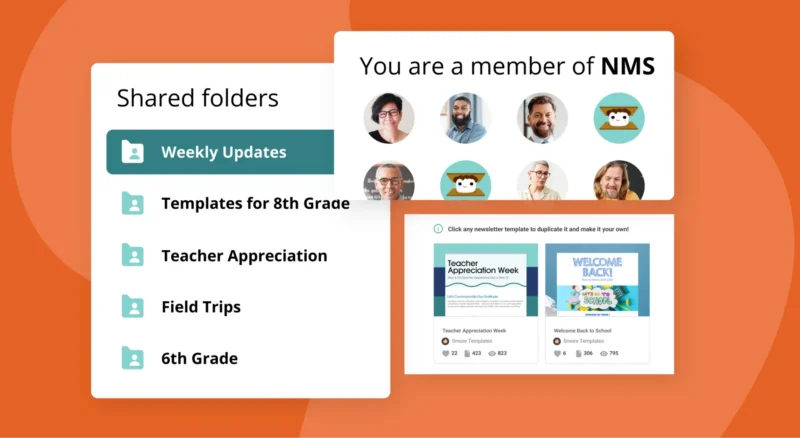
Once you’ve defined the role of newsletters in your plan, give schools and departments a shared way to create them. Smore for Teams supports shared folders, collaborative editing, and Brand Kits. Your team can provide reusable layouts while colleagues add news from their schools.
Readers choose their preferred language when they open a Smore newsletter. Show families where to find that option, and include essential flyer details as newsletter text so they can be translated, too.
Explore Smore for Teams to see how it can support newsletter collaboration across your district, or request a demo.
FAQ:
What should a school communication plan include?

Who should help develop a district communication plan?
How often should a district update its communication plan?