Teacher to Parent: How to Create a Weekly Newsletter That Families Don’t Ignore
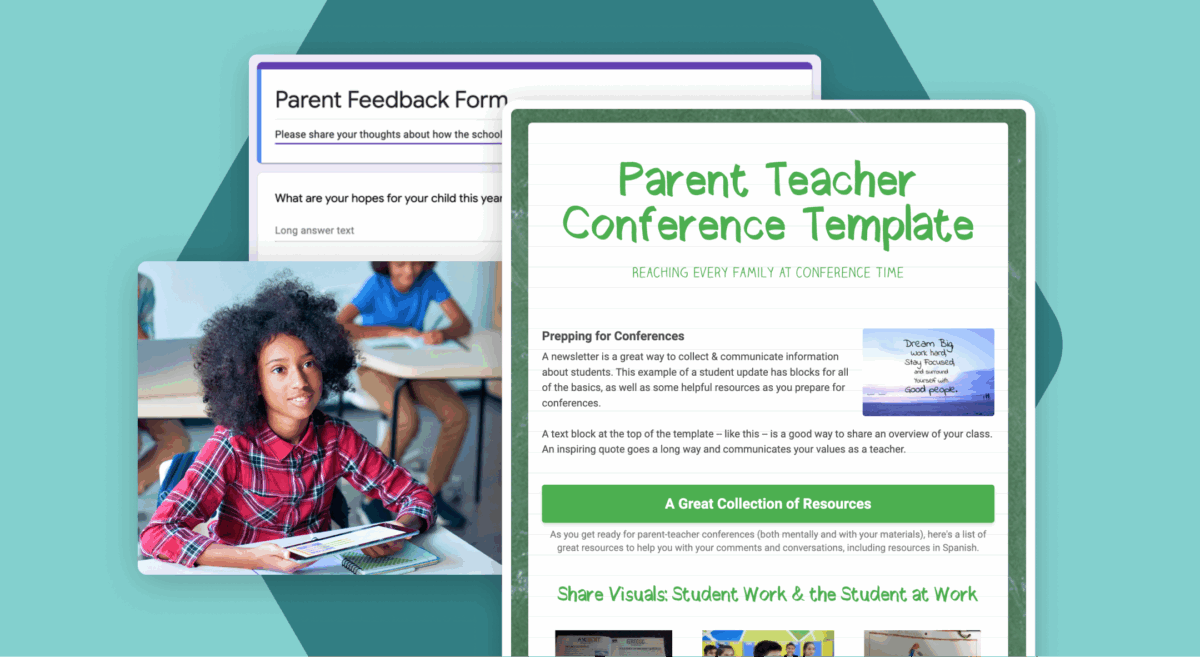
TL;DR:
Most teacher newsletters get ignored by busy families. Transform yours into a must-read connection by leading with student celebrations, making learning visible with specific examples, providing actionable home activities, and keeping content scannable on mobile. Use a consistent structure, compelling subject lines, and always end by inviting dialogue. The result? Stronger school-home partnerships and families who actually engage with your updates.
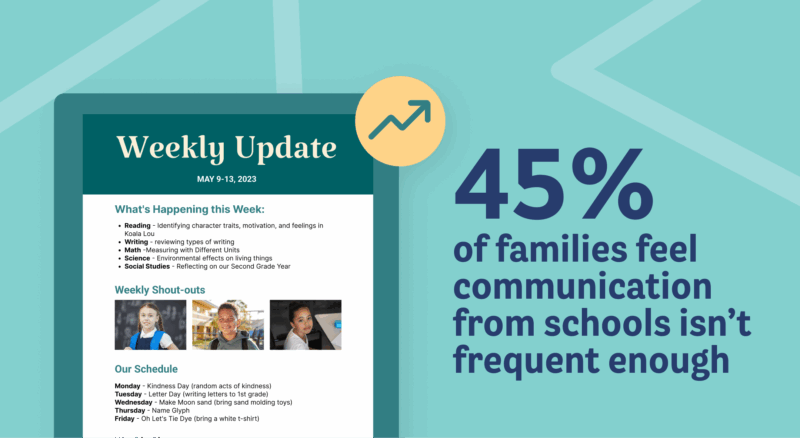
Picture this: It’s Sunday evening, and you’re crafting your weekly classroom newsletter. You pour your heart into highlighting student achievements, sharing upcoming events, and explaining what families can do to support learning at home. But when you check your delivery stats the next week, you notice only 30% of families opened it, and even fewer clicked through to read the full content.
The good news? With the right approach, you can transform your weekly newsletter from an ignored email into a must-read connection point that strengthens your classroom community and supports every student’s success.
Why Weekly Newsletters Matter More Than Ever
In today’s busy world, families crave consistent, reliable communication from their child’s teacher. A well-crafted weekly newsletter builds trust, creates transparency, and gives families concrete ways to support their child’s learning journey.
When newsletters work well, they:
- Keep families informed about classroom happenings
- Provide specific ways parents can reinforce learning at home
- Celebrate student achievements and build classroom community
- Reduce the number of “What did you do in school today?” conversations that end with “Nothing” 🤦♀️
- Create a reliable communication rhythm families can count on
The 5 Essential Elements of a Newsletter Families Actually Read
1. Start with a warm, personal greeting
Begin each newsletter with a genuine, conversational tone. Instead of “Dear Parents,” try “Hello, wonderful families!” or “Happy Monday, Third Grade families!” This immediately signals that your newsletter is a personal connection, not a formal announcement.
2. Lead with celebration
Families want to hear good news first. Start with student achievements, classroom celebrations, or positive moments from the week. This could be:
- “This week, Maria showed incredible perseverance during our math challenges”
- “Our class worked together beautifully during our science experiment”
- “I’m so proud of how everyone welcomed our new student, James”
3. Make learning visible
Help families understand what their children are actually doing in school. Instead of saying “We worked on reading comprehension,” try:
- “We’re becoming reading detectives! This week, students learned to look for clues in the text to understand character feelings. At home, you can ask: ‘How do you think the character felt when…?'”
4. Include specific, actionable home connections
Give families concrete ways to extend learning at home. The keyword is specific:
- Instead of: “Practice math at home”
- Try: “While cooking together, ask your child to help you measure ingredients. This reinforces our work with fractions!”
5. Keep logistics clear and scannable
Important dates and information should be easy to find quickly. Use headers, bullet points, and consistent formatting so busy families can scan for what they need.
The Weekly Newsletter Structure That Works
Here’s a proven template that keeps families reading week after week:
Opening Celebration
- Warm greeting
- 2-3 specific student achievements or classroom highlights
- One sentence about what made you proud this week
Learning Spotlight
- What students are learning (in parent-friendly language)
- Why this learning matters
- How it connects to bigger goals
- One specific way families can support at home
This Week’s Wins
- Student achievements
- Positive classroom moments
- Academic or social growth you’ve noticed
Looking Ahead
- Upcoming events or activities
- What to prepare for
- How families can get involved
Quick Reminders
- Important dates in a brief list
- Supplies needed
- Permission slips due
Home Connection
- One specific activity families can do together
- Questions parents can ask
- Resources or links if helpful
6 Secrets to Getting Your Newsletter Read
1. Choose the perfect timing
Send your newsletter at the same time each week. Many teachers find success with:
- Friday afternoon: Families can review the week and plan for upcoming events
- Sunday evening: Sets the tone for the new week
- Monday morning: Aligns with weekly planning
The actual day and time matter less than picking a time and sticking to it. Consistency helps families expect and look for your newsletter.
2. Write compelling subject lines
Your subject line determines whether families open your newsletter. Try these formats:
- “Week of [Date]: Amazing Math Detectives at Work!”
- “This Week in Room 12: New Scientists Emerge”
- “Celebrating [Student Achievement] and Looking Ahead”
Avoid generic subjects like “Weekly Newsletter” or “Classroom Update.”
3. Keep it scannable
Busy families need to quickly find what matters most. Use:
- Short paragraphs (2-3 sentences max)
- Bullet points for lists
- Bold headers to organize information
- White space to avoid overwhelming readers
4. Include photos (when appropriate)
Images of student work, classroom activities, or learning in action help families visualize their child’s day. Always follow your school’s photo policies and get proper permissions.
5. Make it mobile-friendly
Many families read emails on their phones. Keep paragraphs short and use a clean, simple layout that works on any device.
6. End with connection
Close each newsletter by inviting a response: “I’d love to hear about your child’s favorite part of this week!” or “Feel free to reply with any questions.” This transforms your newsletter from a one-way announcement into the beginning of a conversation.
Common Newsletter Mistakes to Avoid
Too much information: Don’t overwhelm families with every detail. Focus on what matters most.
Too formal: Write like you’re talking to a friend, not submitting a report.
All logistics, no learning: Balance administrative information with insights into your students’ growth.
Inconsistent timing: Families rely on routine. Pick a schedule and stick to it.
No clear action steps: Tell families exactly how they can help, don’t make them guess.
Long paragraphs: Keep sentences short and paragraphs to just a few sentences. Busy families need to scan quickly.
Transform Your Communication Starting This Week
Creating a newsletter that families eagerly anticipate requires authenticity, consistency, and genuine care for building connections. Start with one or two elements from this guide, and gradually build your newsletter into a communication tool that serves your entire classroom community.
Remember: Your newsletter is a bridge between school and home, a celebration of your students’ growth, and a powerful way to build the kind of family partnerships that help every child thrive.
When families feel connected to their child’s classroom experience, everyone wins. Your students see the adults in their lives working together, parents feel confident supporting learning at home, and you build the trust and partnership that makes teaching more effective and rewarding.
Ready to create newsletters that families actually read? Try these strategies, and watch how stronger communication transforms your classroom community.
Frequently Asked Questions
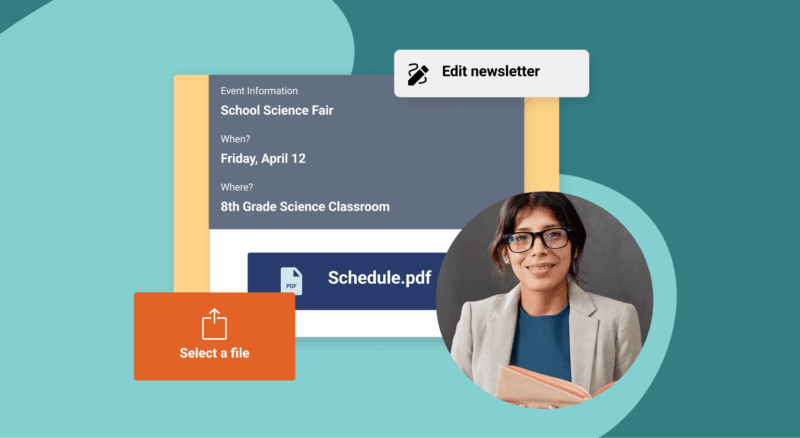
How can I save time on newsletter creation?

What if I don't have exciting news every week?
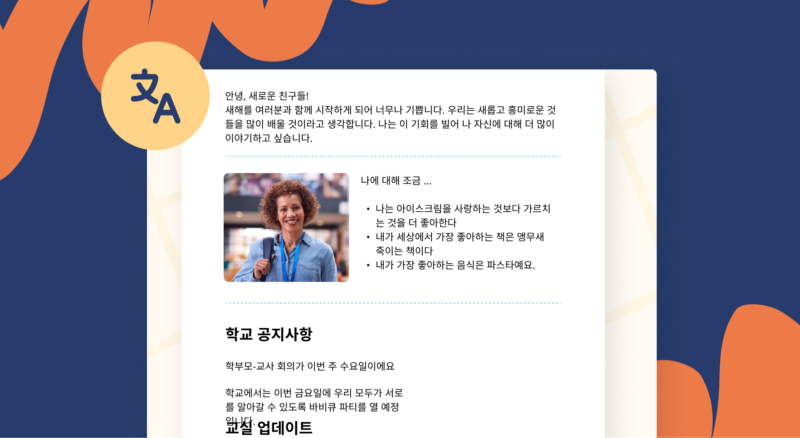
Should I translate my newsletter for non-English speaking families?