Newsletters Build Bridges Between School and Community

TL; DR
Newsletters that spotlight students, staff, and community moments bring people together. They create stronger connections. And they build pride in the school.
Bringing People Together Through Newsletters
A newsletter might seem simple, but done well, it can be one of the best ways to bring people together. You can use newsletters to share the big and small moments that make a school feel connected, whether that’s a student’s achievement, an upcoming event, or a staff spotlight.
Read how Round Lake Schools used newsletters to build community.
Beyond Logistics: What Families Want
Families do need dates and reminders, but that’s not all. They want to see the heart of the school. Things like stories about students, staff highlights, and celebrations that make the school feel alive. A good newsletter balances the practical with the personal. It can celebrate student wins, spotlight staff, and share community events.
Round Lake Area Schools in Illinois found this balance with The Golden Apple, their monthly family and community newsletter. It includes deadlines and reminders, but it also features stories and celebrations that give families reasons to feel proud of their schools.
Recognizing Staff and Students Builds Pride
Recognition matters because it shows people their efforts are noticed and valued. A simple spotlight in a newsletter can make staff feel proud of their work and remind them they’re part of something bigger.
Round Lake’s weekly staff newsletter, The Friday Extra, shifted from being a routine list of announcements to a celebration of the people who make the district thrive.
Teachers and staff who were highlighted often shared those stories on their own social channels, spreading a positive image of the district even further. Recognition doesn’t just stay inside the school; it ripples outward into the community.
Make Newsletters Accessible for All Families
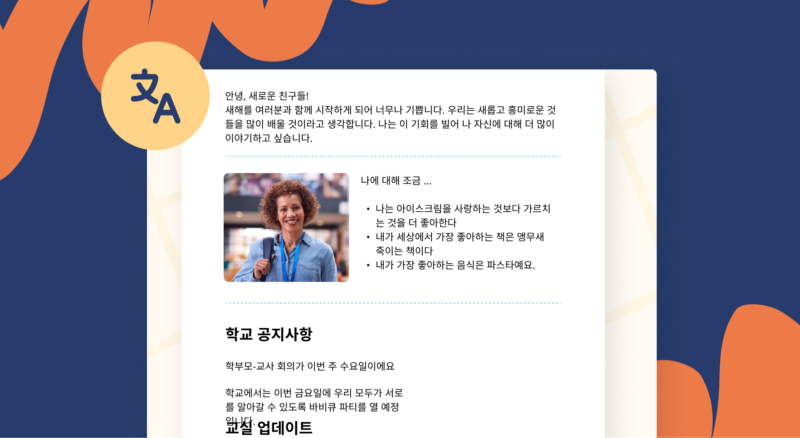
Strong communication only works when every family can be part of it. That means designing newsletters that are easy to navigate and available in the languages families speak at home.
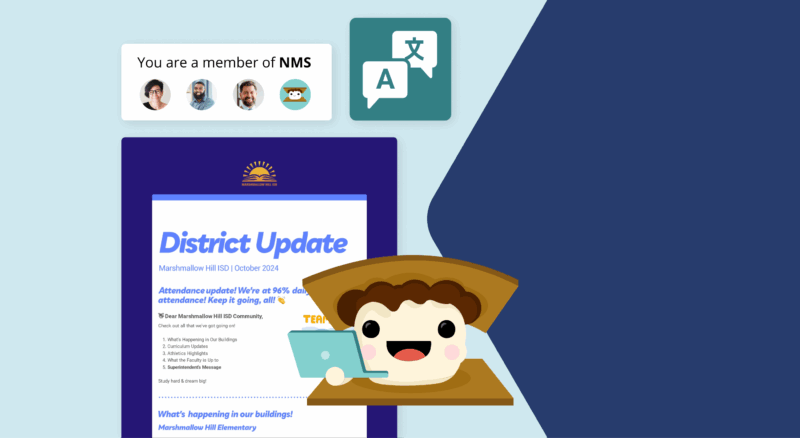
Round Lake tackled this by adding a table of contents and linking to a Spanish version of their newsletter. A small change ensured more families could find the information they needed and know they were included.
When schools make access a priority, families are more likely to read, respond, and act on what they learn.
Strengthening Community Relationships
A school newsletter can be more than an update; it can be a bridge to the broader community. When it shares student success, community partnerships, or local celebrations, it connects families, neighbors, and staff in ways that go beyond the classroom.
Round Lake used newsletters to celebrate everything from student theater productions to staff accomplishments abroad. These stories drew in neighbors, local businesses, and community groups, strengthening ties that benefit students in the long run.
Quick Tips for District Leaders and Comms Teams
If you want your newsletters to build community, you don’t need to overhaul everything at once. Start small with one spotlight, one translation, or one invitation for staff to share a story. Those little changes add up.
Here are some examples of things you can try:
- Invite collaboration. Ask staff and families to share stories and photos.
- Mix reminders with recognition. Balance dates and logistics with celebrations.
- Translate content. Make sure every family can access and understand the updates.
- Keep it concise. Short, consistent newsletters are more likely to be read.
- Use visuals. Photos and graphics make newsletters engaging, not overwhelming.
Putting It Into Practice
A well-crafted newsletter can celebrate students and staff while keeping families informed and updated. Round Lake proved that small changes can turn a “stale” newsletter into a tool for recognition, connection, and pride. Any district can take the same steps: start small, invite collaboration, and keep families at the center.
Want to see how they did it? Read the full Round Lake case study >
FAQ
How can school newsletters strengthen family engagement?

What should be included in a school newsletter?
How do you make newsletters accessible for all families?
Why is staff recognition important in newsletters?
What are some simple school newsletter ideas to get started?